Life. In the beginning, life is a dynamic concept, a concept that changes among other reasons
 depending philosophical and points view, research and discoveries. To define what life is as complex as life itself.
 Life on Earth is an action that occurs in variety, ecological complexes and ecosystems. Life ends up being a compendium of curiosities that attracted attention to the man since his first walk. 
Biodiversity. The concept of biodiversity encompasses all the varied forms of manifest life and their relationship, thereby including ecological systems. Roughly biodiversity can be divided into three levels: ecosystems, species and genes. Biodiversity manifest today is the result of dynamic and evolving, the interconnectedness of species, ecological changes and genetic variations that are displayed on the existence and living forms of matter.
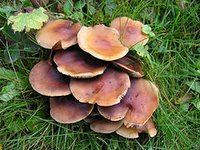 simply by having, at first glance, form branched tree way, this case is typical and occurs in some animals that live in colonies.
 Carl von Linnaeus (1707-1778), a student of botany was born in Sweden and is considered the father of taxonomy, categorized a large group of species thus establishing divisions to group them for study. Many of these categories are used today.
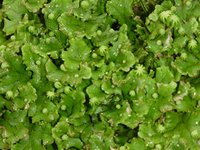
Linnaean classification was based on the principle that plant and animal species living unit were the lower and higher categories grouped into generic.
Linnaeus calls this type of grouping or classification binomial nomenclature used and Latin, the language learned at the time, to name the different species and genera was classified, thus establishing a scientific language adopted internationally.
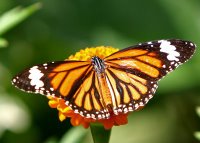
Finally, most of the scientific world today uses these five kingdoms RHWhitaker proposed to classify the world of biological diversity: Monera , Protists, Mushrooms, Plants and Animals . (see Margulis & Schwartz, 1985)
the God eternal, wise and powerful as I've seen him walk past me and I remained confused. I found some traces of his footsteps in his works, even in the smallest. What wisdom! What power! It is inexplicable perfection!
Carl von Linnaeus